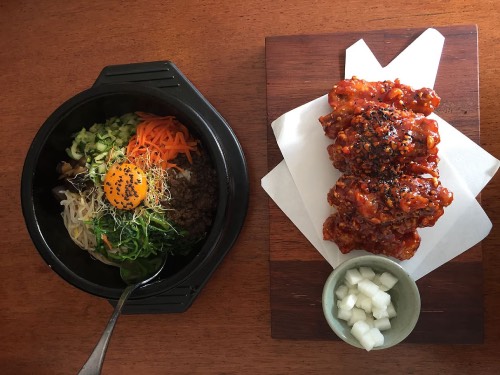
Any conversation about chicken in Korea is incomplete without a discussion of alcohol. Although Koreans do eat it with non-alcoholic beverages, chicken is mainly regarded as drinking food, or anju (안주). The mere existence of such a word says a lot about how important food is to the drinking culture here.
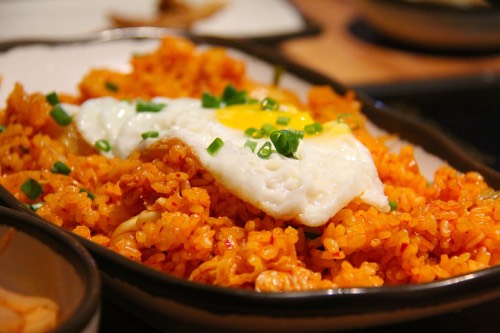
The traditional Korean version of Kimchi fried rice (kimchi bokkeumbap) is a bit different from the classic Chinese fried rice. It doesn’t generally contain scrambled egg but there can be a fried egg with a soft yolk on top. Just like the bibimbap, the diner breaks the egg and uses the yolk to enrich the rice. Before the kimchi over ripes they use the kimchi to make the kimchi fried rice.
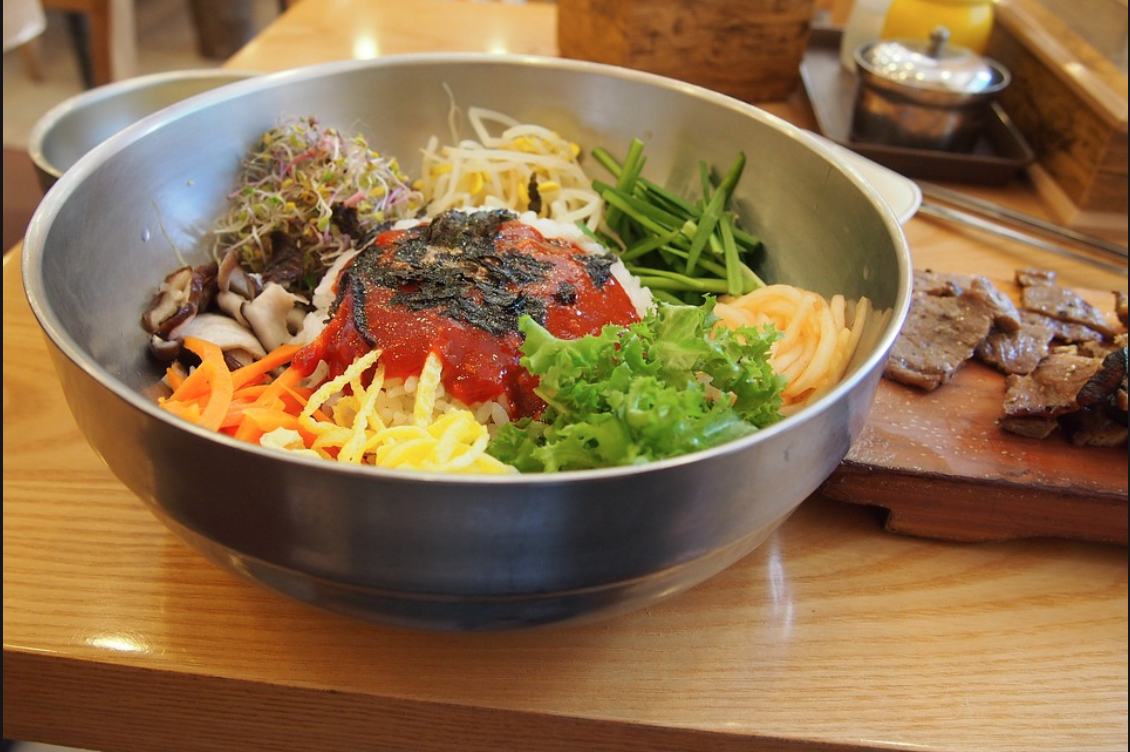
Bibimbap is only about a century old, but it derives from Goldongban, a dish involving the same concept (a bowl of rice with vegetables, meat and sauce mixed in), which is far older, emerging sometime during the Joseon Period (14th-16th centuries). Goldongban had a ritualistic, and potluck, component to it.
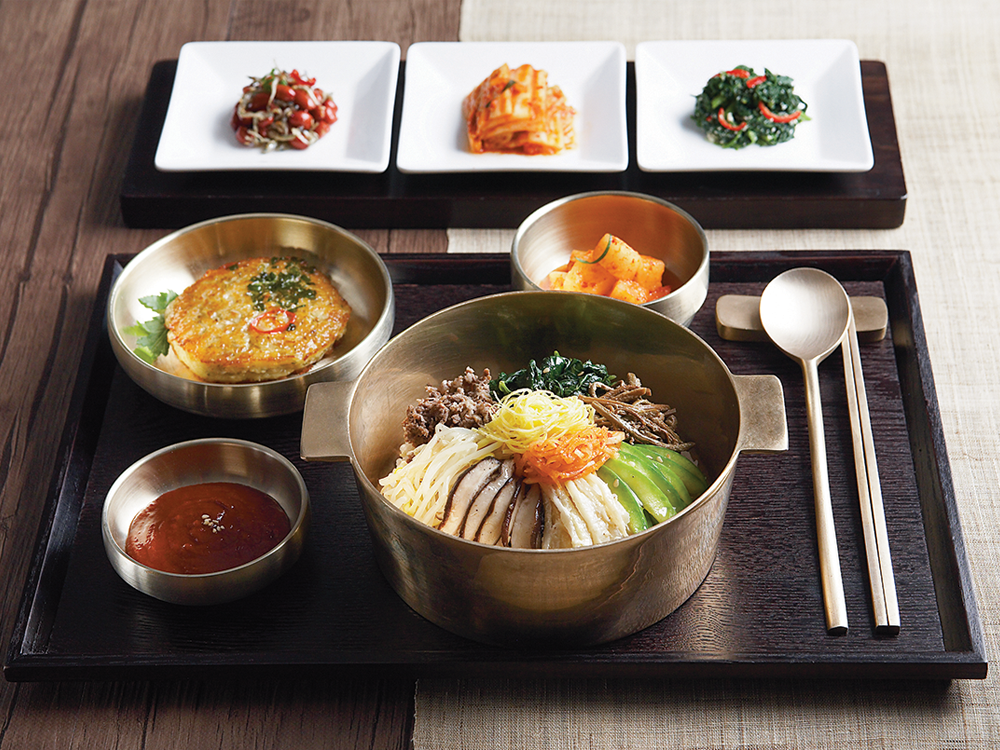
The word bibimbap means stirred or mixed rice. It is served as a bowl of rice with more ingredients on it. These ingredients can include some vegetables (spinach, herbs, potherb, and gosari). Beef or seafood can be added too.
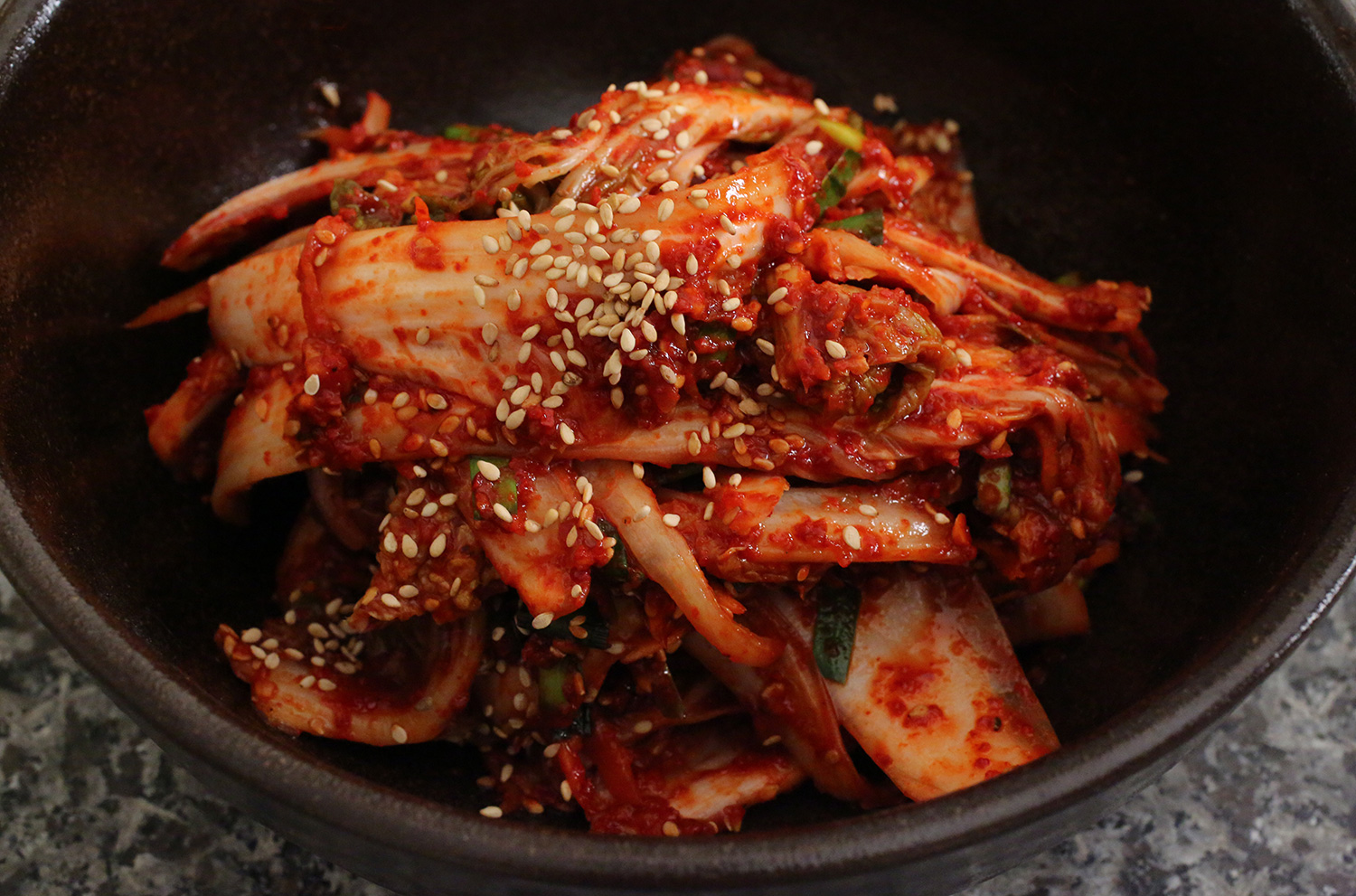
a spicy, pungent vegetable dish that consists of one or more pickled and fermented vegetables and especially napa cabbage and radishes with various seasonings (such as garlic, red chili pepper, ginger, scallions, and anchovy paste) and that is the national dish of South Korea.