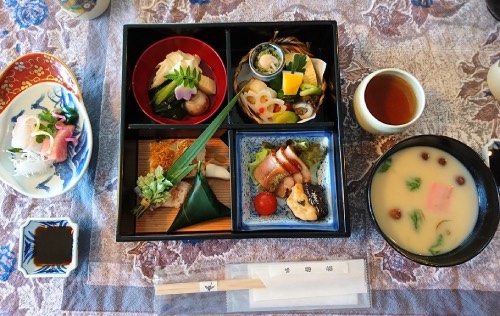
Japanese cuisine has been influenced by the food customs of other nations, but has adopted and refined them to create its own unique cooking style and eating habits. The first foreign influence on Japan was China around 300 B.C. , when the Japanese learned to cultivate rice.
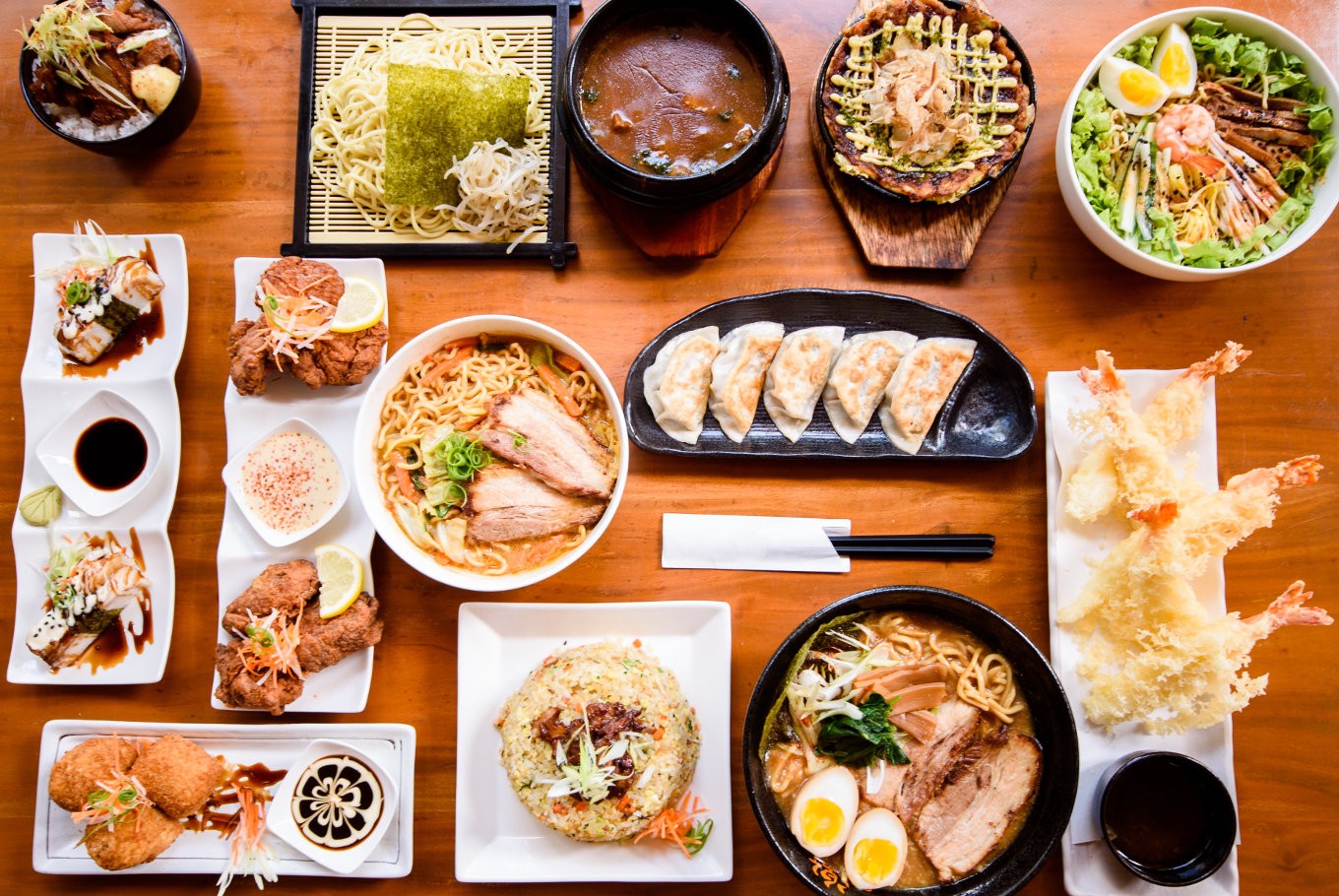
In addition the Japanese, influenced by Western food trends developed their own novel dishes like okanomiyaki – meaning “as you like it.” It is a grilled wheat and cabbage-based patty with a variety of toppings like meat, vegetables, rice cake, and more.
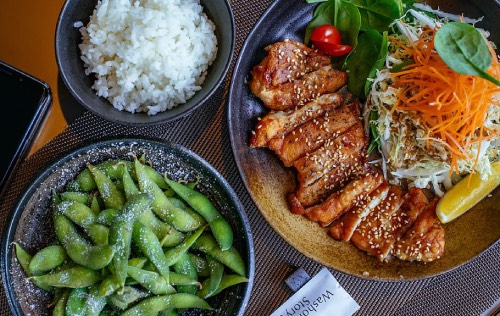
The World Health Organization states that the average life expectancy for Japanese women is 87 years old. This longevity is suspected to be linked to a healthy diet rife with fresh, unprocessed foods with minimal sugar and milk products. A typical Japanese diet is low in saturated fats and high in antioxidant-rich, nutrient-dense foods such as fresh fish, cooked or pickled vegetables and grains such as rice.
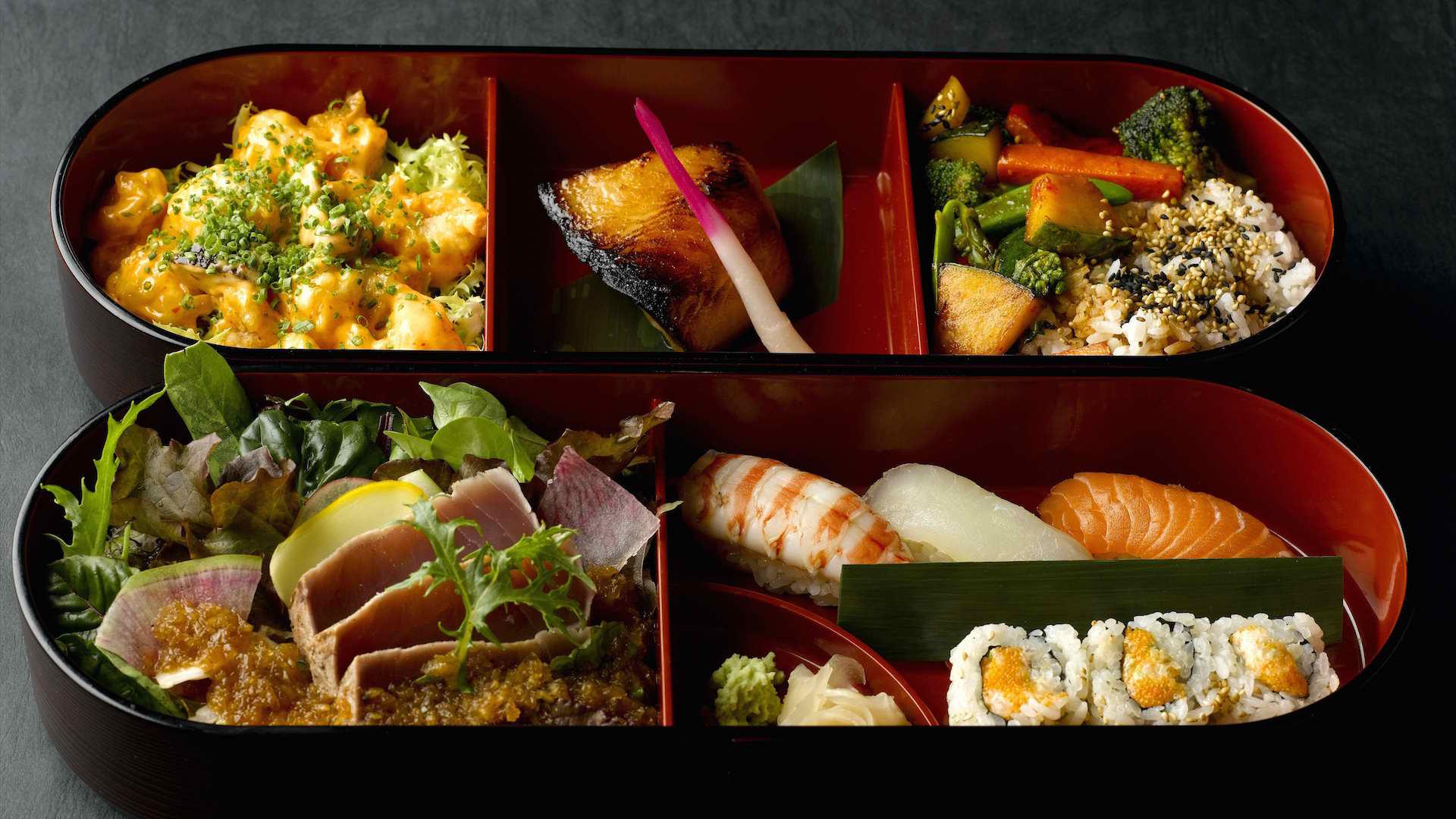
The Japanese have a healthy approach to mealtime, where people tend to eat until they are 80 percent full. According to a February 2018 study published in Nutrients, a traditional Japanese diet and style of eating "promotes not only the pleasant experience of eating, combined with the large incorporation of bioactive compounds from vegetables, but also ensures an adequate signal for satiety that prevents overeating."
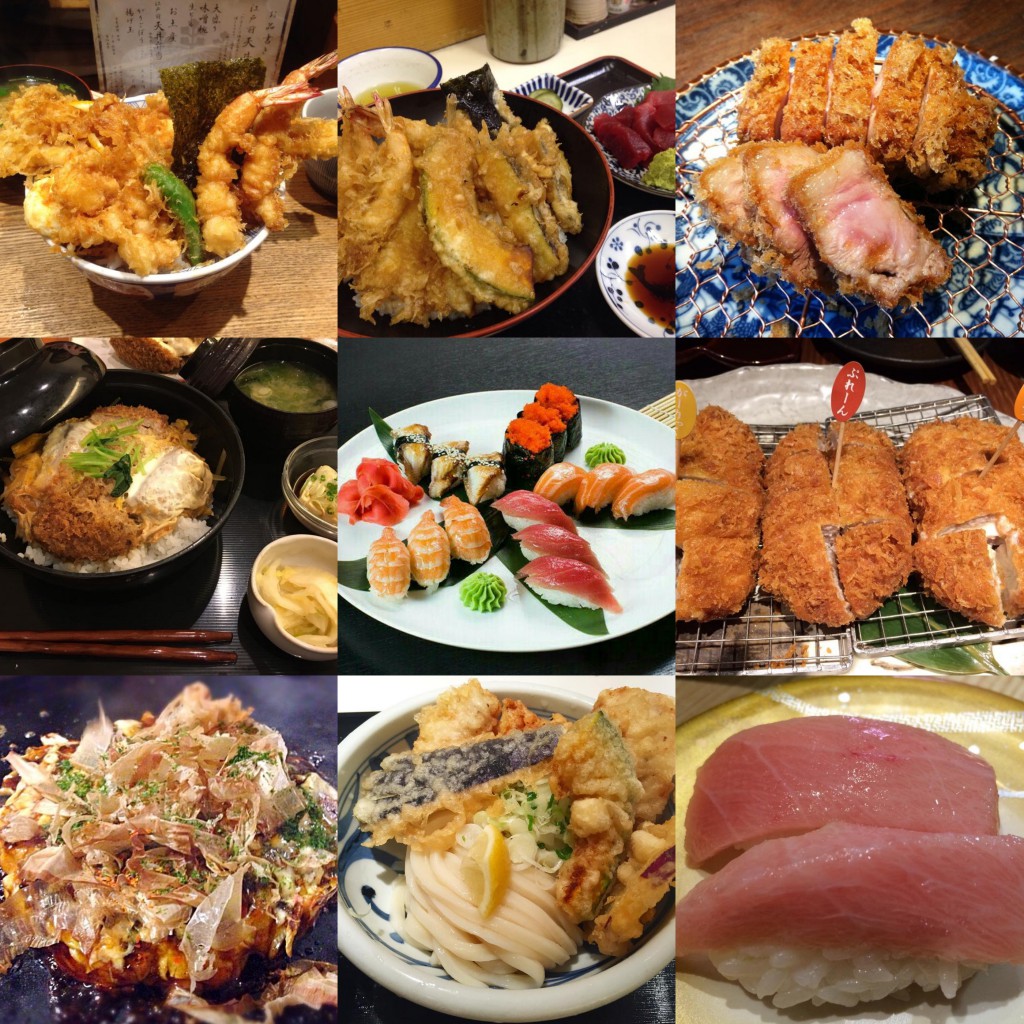
Keep it simple to maintain sushi as a healthy diet option that is also a quick and easy protein-packed meal. Opt for less rice and more protein and veggies as the filling. Skip sushi that includes fried fillings, mayo, cream cheese and minimize soy sauce, which can be high in sodium, or choose a lower sodium variety.