
Mr. Davison
Background
Mr. Davison is a technology educator with over 14 years experience teaching computer science and design content. Students in Mr. Davison classes are exposed to various technologies and use their understanding of the design process to create novel solutions to real-world problems.
- Programming
- Coding
- Multimedia Development
- 3D Modeling
- Robotics
- Productivity
- Teacher Training and Development
- Technology Coordination
Computer science is at the heart of everything Mr. Davison Teaches
Computer science not only represents contemporary knowledge, but also models a unique approach to interacting with your environment. With the basic tenants of computer science as an underlying approach to teaching, Mr. Davison's students are able to:
- Think abstractly to solve problems.
- Connect seemingly disparate bodies of knowledge.
- Develop long-lasting critical thinking skills.
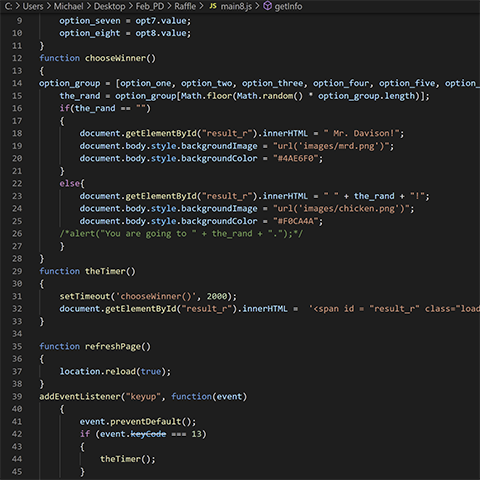
Mr. Davison's students are exposed to many different languages. Including, but not limited to HTML, CSS, JavaScript, Python, C++, Arduino C Varietals, as well as Block-based coding.
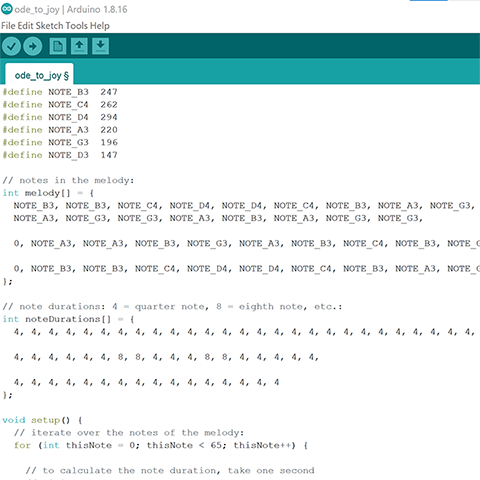
Hardware development allows learners to develop a deeper understanding of how the world around them works
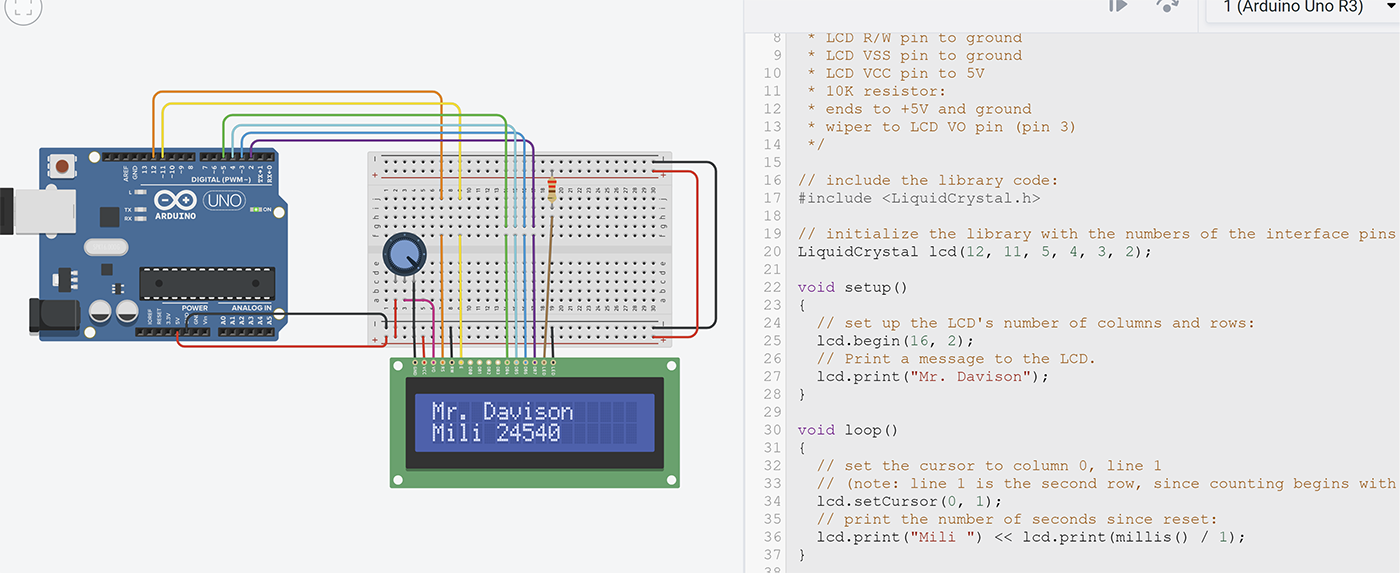
As we usher further into the 21st century, it is increasingly apparent that devices and technology are going to be enmeshed into our everyday lives. Therefore, it is critical that the learner possess a foundational understanding of electronics, circuitry, and electrical engineering.
Mr. Davison's students have exposure to:
- Various development boards
- Arduino Uno
- micro:bit
- littleBits
- Principles of electrical engineering as they pertain to robotics
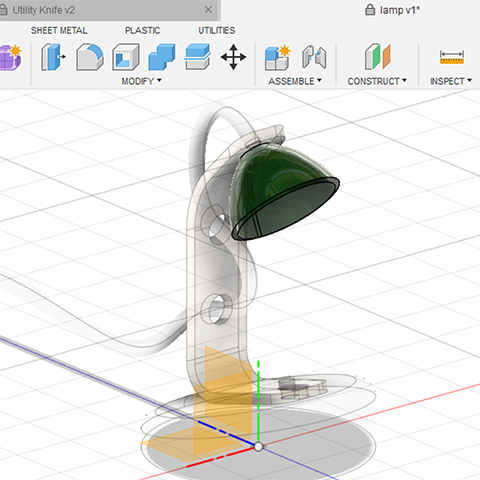
3D Modeling promotes spatial reasoning
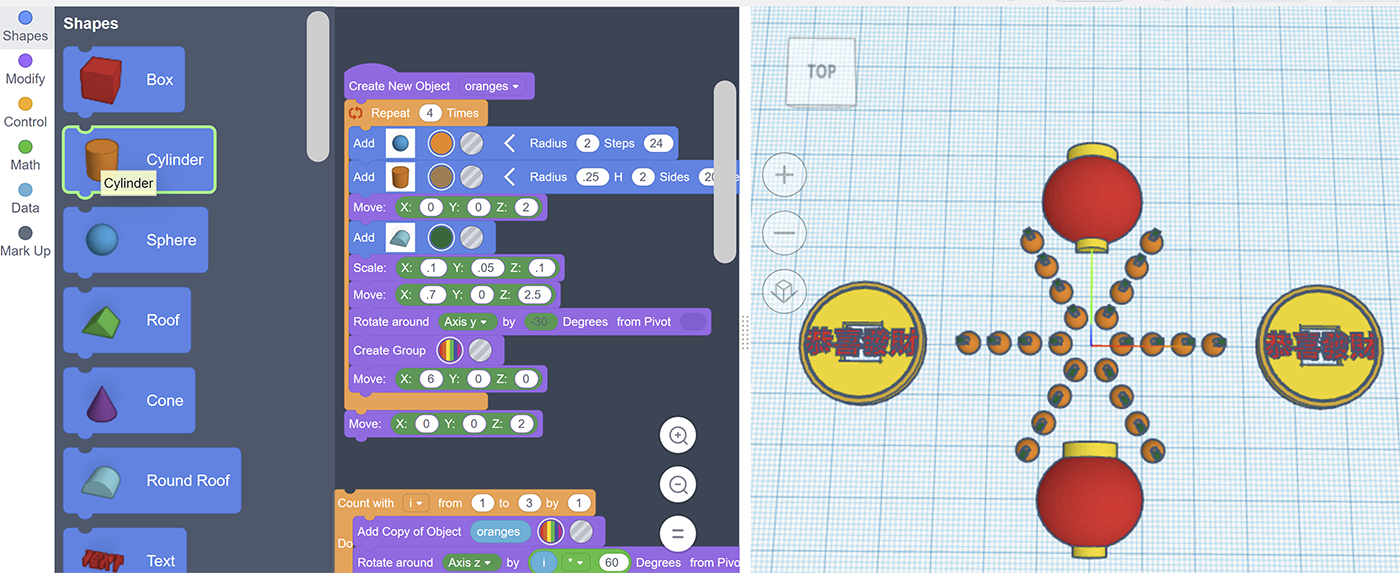
Students utilize 3D modeling to bring their dreams into fruition. 3D Modeling allows students to prototype their ideas in an immersive environment and gain a 3-Dimensional understanding of the object they're developing.
- Autodesk's Tinkercad
- Autodesk's Fusion 360
- Autodesk's 3DS
Mr. Davison's learners not only learn how to utilize 3D modeling software, they also learn 3D printing techniques. Learners gain an in-depth understanding of various 3D printing techniques, materials, and best practices.
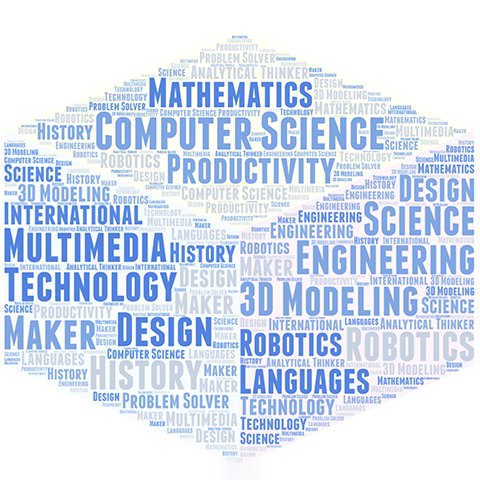
Instructional Techniques are holistic in nature and call upon multiple areas of study
Mr. Davison's approach to teaching is to include various areas of study as a framework to pose a problem. Once students have a conceptual understanding of an underlying problem, then students utilize appropriate technologies to arrive at a solution.
The holistic approach intends to view knowledge as connected rather compartmentalized. Through holistic instruction, learners begin to understand that the knowledge they've acquired in one subject area can be transferred to another.
- Students develop permanent, transferable skills.
- Arts/Humanities/Languages are embraced rather than discarded.
- Resulting body of knowledge is connected in a meaningful way.
Applications
Programs used in Instruction
Projects
Projects under development
F.A.Q
Frequently Asked Questions
-
Can I code?
Yes, of course! Anyone can code! It doesn't matter how much or little experience you have!
-
How can I develop my coding skills?
Coding, like many skills are developed over time. Learners will become more experienced with practice. For most, mastery doesn't come over night. Practice, practice, practice!
-
What is a good language to start with?
This question is very tricky. Just like oral languages, you should likely study one that fits in with your needs. For example, if you're interested in robotics, you may want to study a C or Java. If you want to learn a widely-adopted language with friendly syntax, than you may want to learn Python.
-
I already learned one language, I don't want to re-learn another! Is it difficult to amass various languages?
Once you've mastered one language, you will have a much easier time learning another. Learning the underlying theory from one language will generally translate over to another language; the difficult part will be mastering the syntax of the newly adopted language.
-
Is there even a point in learning CS? Won't AI just write everything in the future?
While advances in AI have come a long way, currently, we still need computer scientists. However, even if we transition into a different development dynamic with machines, the problem-solving approach and way of thinking critically that Computer Scientists must exhibit will surely pay dividends in your life!
-
I've tried coding, it's not for me. Can I still do something in the Tech sector?
Of course! STEM jobs are not limited to CS majors. In fact, there are many fields that utilize CS, but don't actually require any coding. Graphic designers, animators, even basic web coders don't need to be computer scientists.
Contact
Contact Mr. Davison
Location:
Tower C, Wanlian Building No. 12, Yanshan Road, Nanshan District, Shenzhen
Email:
Call:
Don't call me ;)